Disney Cruise Singapore 2026 is set to reshape family cruising in Southeast Asia. After years of fly cruise connections through Hong Kong and Tokyo, travelers in the region finally gain a homeport option that reduces flight time and simplifies paperwork. Early interest is already high, driven by regional school calendars and strong demand for themed sailings. Before deposits open widely, it helps to understand projected routes, cabin pricing trends, and booking patterns that affect Disney departures in Asia. Planning early prevents expensive last minute adjustments for families.
Projected Routes and Regional Appeal
Interest in Disney cruise routes from Singapore has been steady since the homeport announcement. Short three to four night sailings are expected to circle nearby Malaysian and Thai ports such as Port Klang and Phuket. These stops are practical choices. Both ports already process large cruise ships and have established ground handling teams, which lowers the risk of long clearance times during the first operating months.
Longer five to seven night itineraries will likely stretch toward Penang, Langkawi, and possibly Ho Chi Minh City. Vietnam calls depend on berth access and seasonal sea patterns. Between November and January, monsoon swells in the South China Sea can prompt route reshuffling. Port order may shift for safety, so printed schedules should be treated as flexible.
A Singapore departure point removes the need for long haul flights to Japan or Hong Kong. Direct regional flights into Changi make quick family trips realistic, even over a long weekend. Still, docking slots across Southeast Asia are limited. During peak cruise season, ships often receive shorter port stays. That makes pre booked shore excursions important, especially during school breaks when tour capacity fills quickly.
Cabin Categories and Pricing Patterns
Disney cruise prices traditionally open at a premium compared with mass market lines. That pattern is unlikely to shift in Singapore. Early sailings often carry higher base fares due to brand demand and limited cabin inventory during the first operating season. Inside cabins may start at levels similar to premium Caribbean sailings, adjusted for shorter itineraries.
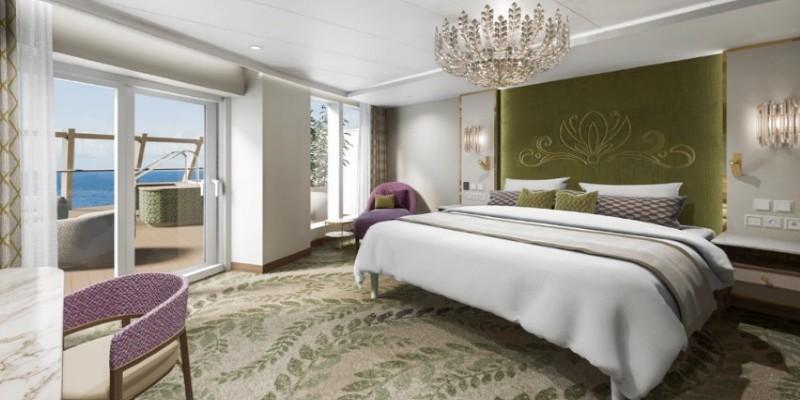
Balcony staterooms usually command a clear increase, especially for midship placement. Concierge level inventory remains small. In Asian markets, multigenerational travel is common, which increases demand for connecting cabins and larger family layouts. Tracking Disney cruise prices across several weeks reveals patterns tied to school breaks.
June and December departures in Southeast Asia tend to sell out first. Once those dates close, remaining cabins often sit in higher categories, raising the visible average fare rather than lowering it. Last minute discounts rarely appear during an inaugural deployment. Port charges and gratuities add to the headline rate. Singapore port fees rank higher than many regional terminals due to advanced infrastructure. That cost flows into the total package.
Travel insurance holds extra weight in this region because tropical systems can disrupt itineraries. A realistic scenario involves a family of four selecting a five night sailing during a June break. Balcony pricing can approach the cost of a longer European cruise on another brand. The trade off rests in themed entertainment, structured youth clubs, and character dining that Disney maintains consistently.
Booking Timelines and Seasonal Pressure
Booking a Disney Cruise Singapore 2026 sailing is rarely a casual decision. Cabin access tends to roll out in phases, starting with past Disney guests before opening to the general public. That early window matters. Popular midship cabins and connecting staterooms often disappear before first time cruisers even see full availability.
Demand in this region follows the school calendar closely. When a departure lines up with Hari Raya, Deepavali, or the June holidays, inquiries surge across Singapore, Malaysia, Indonesia, and the Philippines at the same time. That ripple effect stretches beyond the ship. Hotels near Marina Bay fill quickly, and rates climb once cruise dates are confirmed.
Flights can shift just as fast. Short haul fares from cities such as Manila and Jakarta react within days of school break announcements. A reasonably priced ticket in March may look very different by April. Locking in flexible fares early can prevent budget strain later. Final payment usually falls three to four months before departure. After that point, cancellation fees increase.
Work travel, exam timetables, or family commitments sometimes change with little notice, so refundable add ons help reduce stress. Onboard bookings follow a similar pattern. Internet plans, specialty dining, and themed experiences open in scheduled windows. Logging in early means better time slots and less compromise once embarkation day arrives.
Practical Planning for First Season Sailings
A first season always comes with small surprises. The ship may be polished and ready, yet port teams in certain destinations are still adjusting to new schedules. On early sailings, clearance procedures can take longer than expected, especially in ports that rely on tender boats instead of direct docking. Building extra time into shore plans keeps the day relaxed instead of rushed.
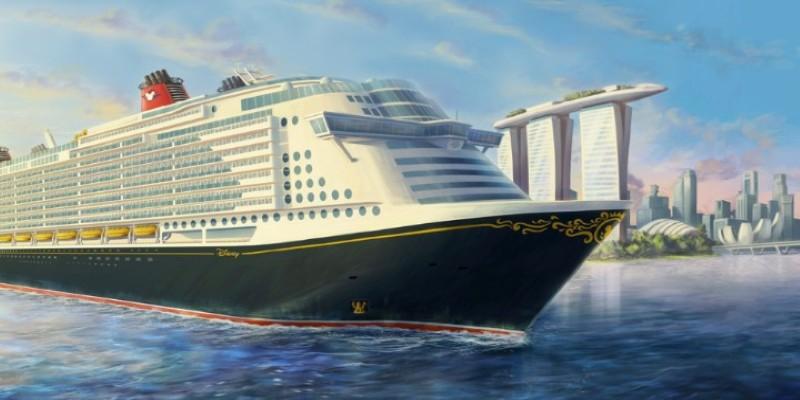
Embarkation in Singapore is generally smooth, though peak holiday periods can crowd the terminal. Arriving exactly at the assigned boarding window makes a noticeable difference. Too early, and the waiting areas fill quickly with families and luggage.
Regional stops require a bit of cash planning. Singapore runs on cards and digital payments, but smaller ports in Malaysia may not. Taxis near cruise docks sometimes prefer local currency. Having small notes on hand saves time and awkward exchanges.
Food on board often reflects regional taste. Breakfast buffets usually include congee, noodles, and savory options alongside Western staples. That small adjustment makes multigenerational travel easier. Heat is constant in this part of the world. Lightweight clothing, sunscreen, and regular water breaks make shore days far more comfortable.
Conclusion
Disney Cruise Singapore 2026 represents a practical shift for regional cruising. Shorter flights and familiar food choices answer long standing gaps in the Southeast Asia market. Demand will likely exceed early cabin supply, and pricing will reflect that pressure. Careful date selection, flexible airfare planning, and realistic budgeting remain central to a smooth trip. Treat the launch as a planned investment rather than a spontaneous booking, and the overall experience becomes far easier to manage.