Why Victoria feels “more British” than Britain
On our last run over from the Seattle/Vancouver orbit, the first “wait, is this actually British?” moment hit before we even dropped bags: the Inner Harbour view is tidy, ceremonial, and strangely stage-ready—but it’s also compact, which means you can absorb the vibe quickly (and so can everyone else).
Victoria feels “more British” than Britain largely because its British cues are concentrated and curated: stone-and-brick façades, formal lawns, tea service rituals, and a downtown that rewards walking. That concentration works in your favor on a 2–3 day trip, but it also makes peak hours feel like you’re sharing the same few postcard blocks with every other weekend escapee.
The expectation to set: it’s Britishness with Canadian comfort. You’ll get heritage streetscapes and polished manners without the grime, sprawl, or transit complexity—yet the flip side is that the most “British” moments often come with lines, reservations, and higher-than-you’d-guess prices for the classics.
The strongest British hits: tea, pubs, and pomp
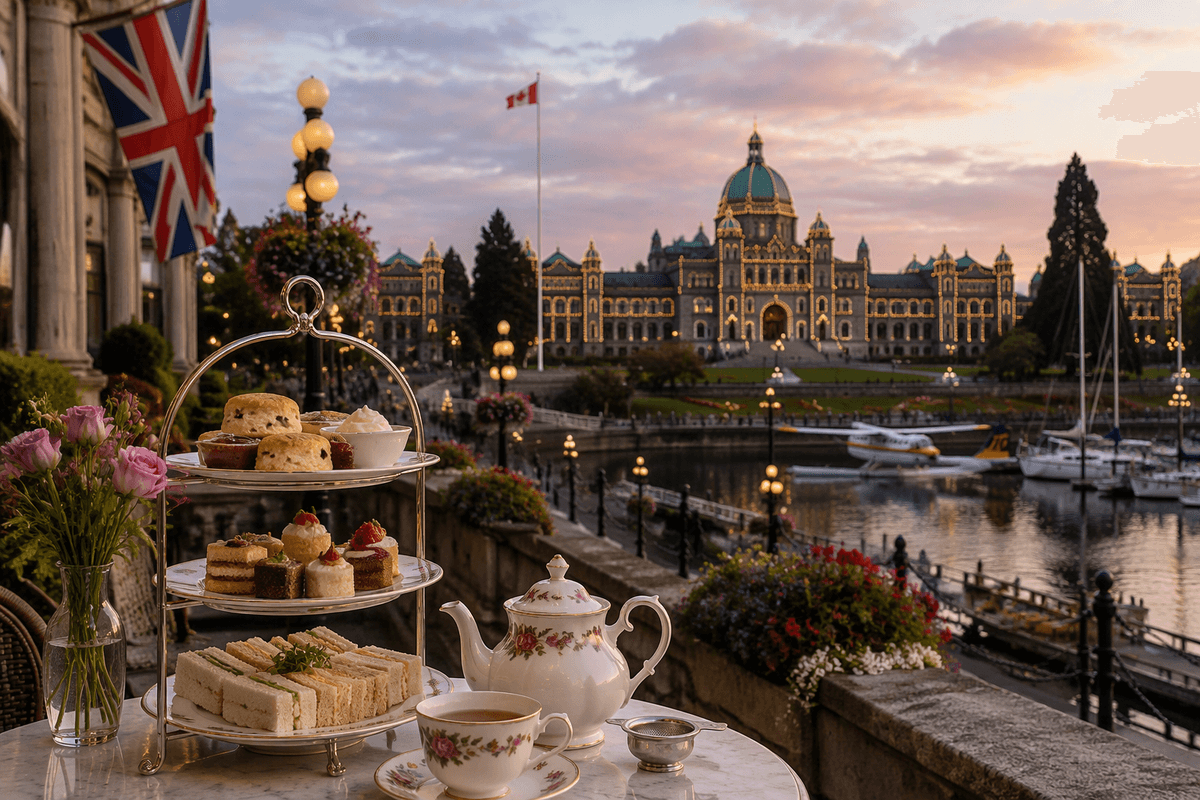
We hesitated on afternoon tea until we saw the reservation slots thinning out—Victoria does that: it makes “just wing it” feel risky. If you want the full British hit, book tea for a weekday or an early seating; weekends compress everyone into the same few rooms, and you’ll feel the clock (and your budget) ticking faster than the scones arrive. The splurge can be worth it if you treat it as a centerpiece, not an add-on you cram between the harbour and a museum.
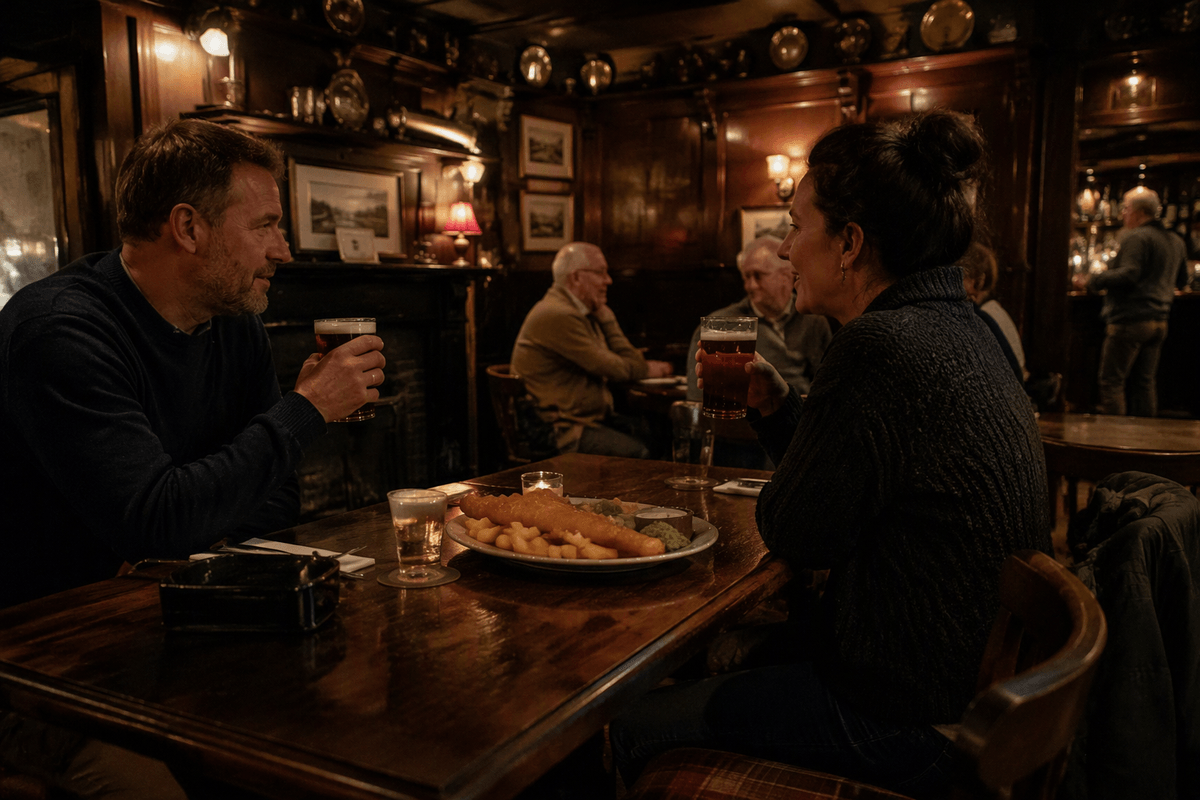
Pubs land better when you lean into timing. Go early for a quieter, darker-wood atmosphere; go later and the soundtrack shifts from “cozy corner” to “busy room,” which is fun, but less transportive. Food is solid but rarely a bargain, so we’ve found it smarter to split one proper pub meal and keep the other dinner flexible—especially if ferry schedules or hotel check-in chew up the evening.
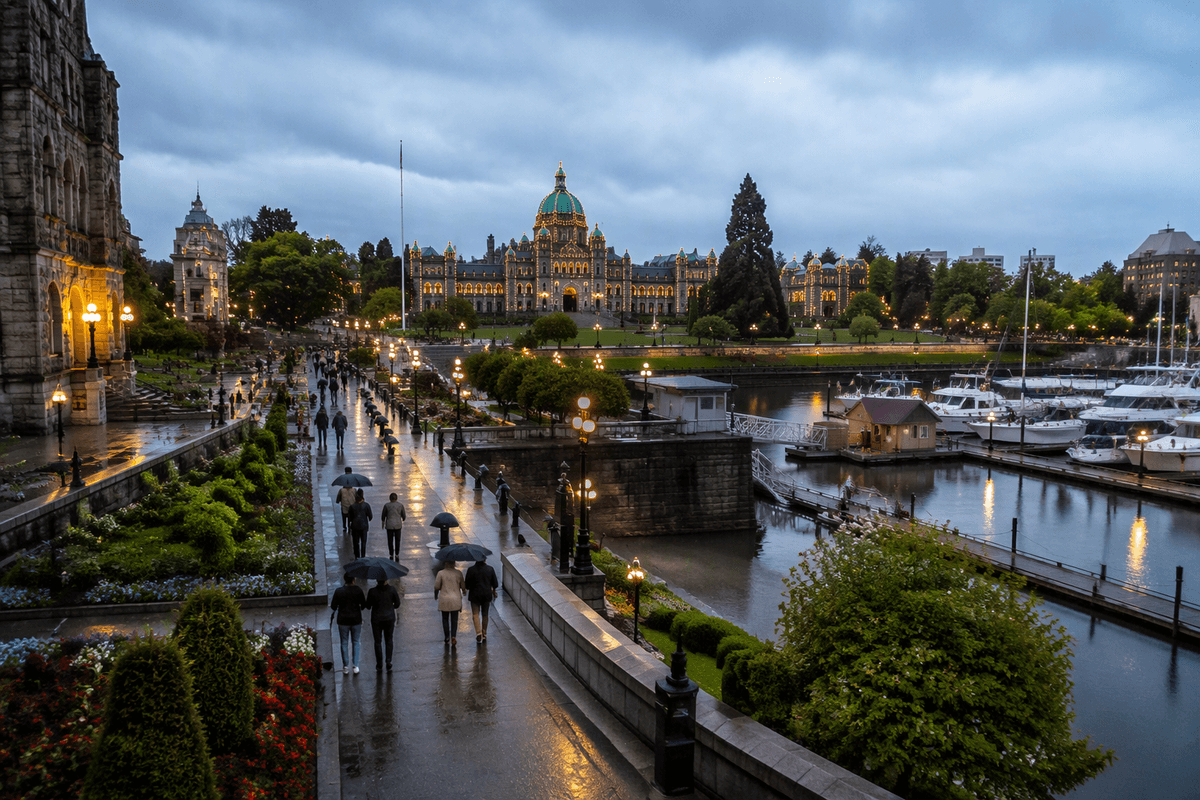
For pomp, the Inner Harbour is the efficient play: you can catch the floatplanes, the government-building grandeur, and whatever ceremony-adjacent energy is happening without committing to a long transit. It works best at dusk, but that’s also when the sidewalks bottleneck and you’ll have to decide whether the atmosphere is worth moving at parade pace.
Neighbourhoods that look and act British
We made the classic mistake of assuming “British Victoria” was basically the Inner Harbour plus a tea room, then realized the mood shifts as soon as you leave the postcard radius. James Bay is the easy win if you want that tidy, residential calm—heritage houses, clipped gardens, and a walkable loop back toward the water—but it’s also where you feel how small Victoria is: you can cover a lot quickly, which is great for a 2–3 day trip, yet it can make the neighbourhoods blur together if you don’t slow down.
For streets that read more “Edwardian daydream,” we liked Fernwood and parts of Fairfield: less polished than downtown, more lived-in, and not built around selling the vibe back to you. The limitation is logistics—these areas are still doable by foot if you’re committed, but you’ll spend time on in-between blocks that aren’t especially scenic. If you’re trying to keep costs predictable, a short bus or rideshare hop can be the difference between a charming afternoon and an unplanned, cranky march.
Oak Bay is where Victoria leans hardest into “quietly proper,” especially if you’re after manicured streets and a village-y strip of shops. It’s also where the British-leaning atmosphere can feel a little gated: fewer spontaneous discoveries, more “arrive with a plan,” and if you hit it at peak weekend hours, the calm you came for gets diluted by other couples doing the same circuit.
Gardens, seaside walks, and rainy-day rituals
We aimed for a “proper garden morning,” then watched the weather wobble between mist and glare—classic Victoria mood swings that either make you feel like you’ve landed in a British postcard or make you wonder why you paid to be damp. Butchart is the obvious headline, and it delivers on scale, but it’s also where time gets quietly expensive: transit plus entry plus the temptation to linger means it can eat half a day. If you’re only here 2–3 days, it’s worth it when you go early (or shoulder season) and treat it as your one big garden, not one stop among many.
Closer in, we liked how quickly you can stitch together seaside walking without “committing to a hike.” The Dallas Road waterfront and Beacon Hill Park loop feels effortless and very UK-coded—wind, lawns, and people out regardless of clouds—but it’s exposed, so it can turn from romantic to chilly fast if you’re underdressed. On a tight schedule, it’s the better bet than chasing multiple small gardens that start to look similar by day two.
Rainy-day rituals are where Victoria’s Britishness holds up best—if you plan for them. Museums and cafés work, but they also fill up once the forecast turns, so a timed ticket or a firm tea reservation can save you from wandering downtown in wet shoes, watching your “we’ll see how we feel” afternoon evaporate.
What’s truly British vs. cleverly Canadian
It clicked for us in a small moment: the service felt formal—teapots, tiers, “shall I pour?”—but the room itself was brighter, the staff a touch more chatty, and nobody acted like you were committing a social error by asking for decaf. That’s Victoria in a sentence. The architecture and rituals read unmistakably British, yet the experience is smoother and more accommodating than the UK versions they’re riffing on, which can feel like either a relief or a slight loss of authenticity depending on what you’re chasing.
The genuinely British parts are the civic backdrop (Parliament-facing harbour grandeur), the neighbourhood scale (walkable, garden-forward streets), and the way weather becomes a shared activity—people still take their seaside loop when it’s spitting rain. The cleverly Canadian layer is how curated the “hits” are: tea and pub classics are easy to access, but you’ll pay for the convenience, and you’ll feel the tourism machinery at peak hours. If you want it to feel less staged, stack your marquee moments early (tea first seating, Butchart at opening) and leave the rest of the day for walks and smaller museums where Victoria relaxes a bit.
How to decide if Victoria’s your British fix
The decision usually becomes obvious at the moment you’re choosing what to reserve. If the idea of building your trip around one “set-piece” (tea or Butchart) sounds satisfying, Victoria pays you back quickly; if you hate fixed times, you’ll feel hemmed in by sellouts and the way peak weekends funnel everyone into the same rooms.
For a 2-day escape, commit to two anchors and let everything else be walk-and-browse: one early tea seating, one early garden morning, then fill the gaps with harbour-at-dusk and neighbourhood loops. For 3 days, you can add a museum or a second, slower pub night—but only if you accept that ferry/arrival timing and weather can steal a block of hours without warning.
If you want “British” that’s concentrated, comfortable, and easy to navigate, go. If you want Britain’s messier edges—and you’ll resent paying for polish—save the ferry fare and spend your weekend somewhere less stage-lit.