What a dietitian means by “worth the splurge”
You can feel it in the cart: two versions of the “same” food, one in plain packaging and one that costs a few dollars more, both promising health. The splurge isn’t automatically the prettier label—it’s the upgrade that changes what you actually eat after you get home. If the cheaper option keeps turning into “meh, I’ll just snack,” that’s a usability problem as much as a nutrition one.
When a dietitian says “worth the splurge,” they usually mean the higher price buys a meaningful difference in ingredients or how reliably you’ll use it. Look for shorter ingredient lists, less added sugar or sodium, and better building blocks (more protein or fiber, more unsaturated fats). A premium item can also be “worth it” when it consistently improves cooking results—better flavor, better texture, fewer weird additives—so you reach for it often instead of letting it expire. Some pricier products are just marketing, so the label still has to earn the extra cost.
Extra-virgin olive oil for flavor and satiety
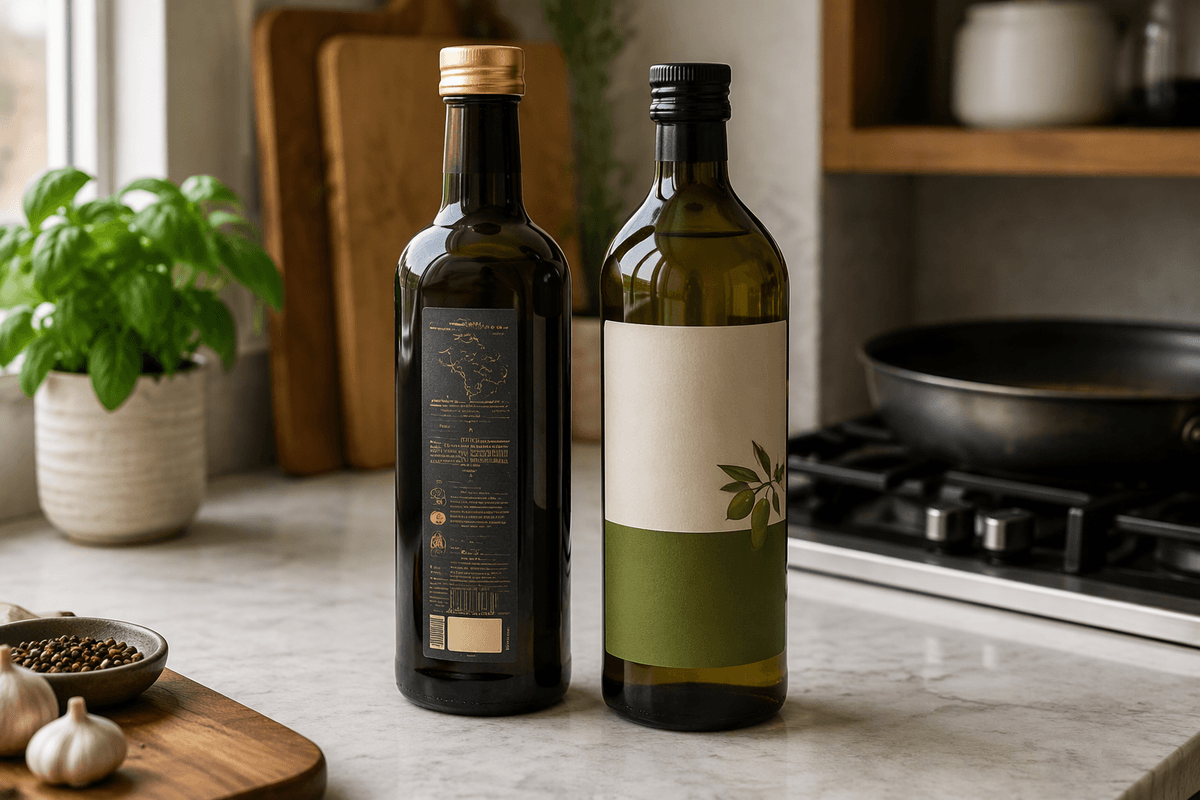
It usually shows up mid-week: you sauté something fast, it sticks a little, and the finished plate tastes flat enough that you start looking for “something else” afterward. That’s where extra-virgin olive oil can be a practical splurge—not because it’s magical, but because a small amount can change both flavor and how satisfying the meal feels. When the oil actually tastes pleasant (peppery, grassy, not stale), you tend to need fewer heavy add-ons like extra cheese, creamy sauces, or a second snack to feel like you ate “real food.”
The cue that you’re paying for substance is on the label, not the front. Extra-virgin is the least processed grade, and a harvest date or “best by” that isn’t ancient usually matters more than a trendy brand name. It’s still imperfect: good bottles vary from batch to batch, and heat can mute the flavor, so some people buy one reliable bottle for finishing (salads, bowls) and use a cheaper oil for high-heat cooking where you won’t notice the difference as much.
Frozen vegetables that stay crisp, not watery
You notice it when the pan hisses, then suddenly… doesn’t. A bargain bag of frozen broccoli can go from “easy side dish” to a pale, wet pile that makes you reach for crackers later because dinner felt unfinished. That’s why frozen vegetables can be a smart splurge: you’re often paying for how they behave in real cooking, not a fancy nutrition claim.
Look for single-ingredient bags (just “broccoli,” “green beans,” “stir-fry vegetables”) instead of sauces and “seasoned” blends that quietly add sodium and starches. Smaller ice crystals and fewer frozen clumps usually mean less thaw-and-steam in the skillet, which helps veggies brown and stay snappy. It’s still inconsistent—different cuts and crops cook differently—so if one brand keeps turning watery, paying a bit more for a reliably firm option can be the difference between “I cooked” and “I grazed.”
Plain Greek yogurt with higher protein density
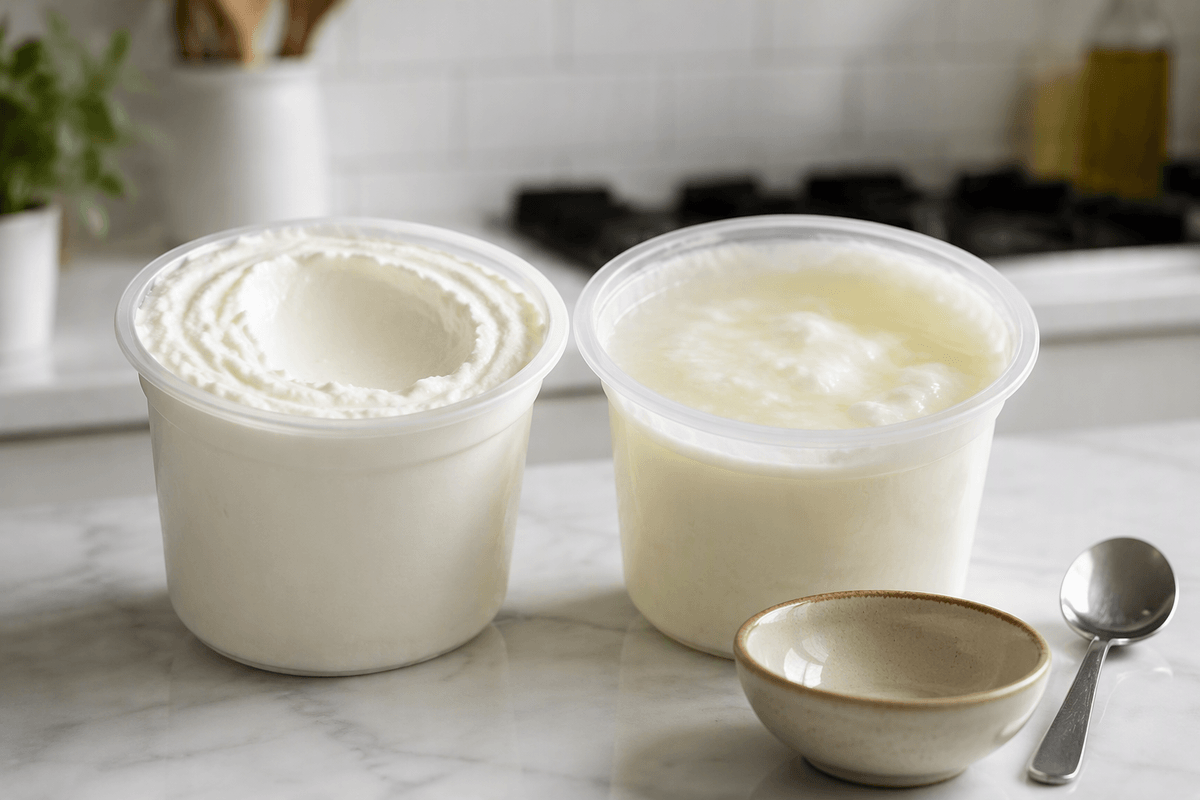
You can tell at the first spoonful when the “bargain” tub isn’t going to carry you through the morning: it tastes fine, but it eats thin, and an hour later you’re rooting around for something crunchy. Plain Greek yogurt is one of those upgrades where paying a bit more can change the default—not by adding trendy ingredients, but by concentrating protein so it actually feels like a food, not just a filler.
The practical cue is the nutrition label doing the heavy lifting. Higher-protein Greek yogurt usually has more protein per serving with minimal ingredients (often just milk and live cultures), and no added sugar to compete with whatever you mix in. Cheaper “Greek-style” options can be more inconsistent: thinner texture, lower protein, or extra thickeners that don’t improve satiety. It’s not perfect—some tubs taste overly tangy or separate into liquid—so the “worth it” pick is often the one you’ll keep using in both sweet and savory meals.
Canned fish with better taste and texture
The giveaway is usually the sound: you pry the lid up and get that strong “tin” smell, or the fish breaks into dry flakes before it ever hits the bowl. When canned fish is the backup protein for busy nights, a slightly pricier can can feel less like emergency food and more like an actual ingredient—something you’ll eat without drowning it in mayo, hot sauce, or crackers just to make it tolerable.
What you’re often buying is texture, fat quality, and fewer unwanted extras. Look for shorter ingredient lists (fish, water or olive oil, salt) and pay attention to sodium—some budget cans quietly push you into “salty but still not satisfying.” Oil-packed options can taste richer and hold together better for salads and pastas, while well-made water-packed fish tends to be cleaner, not chalky. The species, cut (fillet vs. shredded), and even the can size can change the bite, so the “worth it” brand is the one that stays pleasant across repeats.
Whole-grain bread that doesn’t feel like cardboard
You notice it when you’re building a quick lunch: the “healthy” loaf looks virtuous, but the first bite is dry, oddly sweet, and somehow still leaves you hungry. That’s when whole-grain bread becomes a real splurge category—because if the texture feels like cardboard, you’ll default back to refined bread, chips, or a second snack. Paying a bit more can buy a slice that’s sturdy enough for sandwiches, toasts evenly, and tastes good without needing a thick layer of butter or jam to make it tolerable.
The cues are mostly unglamorous. A bread that’s actually worth more often lists whole grains up front (not just “wheat flour”), has a shorter ingredient list, and doesn’t lean on added sugars to seem “soft.” Fiber is the practical tell: higher fiber per slice usually tracks with better staying power. It’s still imperfect—some dense loaves go stale faster—so the best “premium” pick is the one you’ll finish before it turns into freezer bricks.
Making splurges fit without diet-like restriction
It often hits when you unpack the “better” items and realize they didn’t replace anything—you just added them. The pricier olive oil sits behind the old bottle, the higher-protein yogurt competes with sweet cups, and the “good bread” goes stale while you keep grabbing snacks. That’s not a willpower issue as much as a friction issue: if the upgrade doesn’t become the default, it won’t pay you back in better meals or steadier fullness.
A more realistic way to make splurges fit is to treat them like swaps, not bonuses. If you buy the nicer canned fish, maybe you skip the deli dip that week; if you choose the bread you’ll actually eat, you don’t also need the crackers “just in case.” It won’t be perfectly consistent—some weeks you’ll still want the fun stuff—but the cue you’re on track is simple: the premium item gets used repeatedly in everyday meals, and your cart starts looking less like backup snacks and more like ingredients.