Singapore often looks small on a map, yet first visits feel fuller than expected. Skyscrapers, heritage streets, and waterfront paths sit close together, which makes planning easier but also tempts travelers to overschedule. Hotel rates rise quickly during regional school breaks and major events, so early booking helps control costs. Heat and humidity shape daily movement more than distance does. Mornings and evenings work best. This guide focuses on the best things to do in Singapore while highlighting timing, crowd patterns, and practical details that smooth out common travel hiccups.
Best Things to Do in Singapore for First-Time Visitors
Gardens by the Bay at the Right Hour
Gardens by the Bay ranks high on most Singapore travel guide lists, though timing matters more than many realize. The open Supertree Grove offers little shade at midday. Arriving late afternoon allows time inside the cooled conservatories before sunset. Online ticket bundles usually cost less than buying on site, especially during June and December peaks.
The evening light show draws large crowds, so finding a viewing spot early avoids standing at the back. Skyway capacity remains limited, and entry pauses when full. Checking weather forecasts helps; sudden storms can temporarily close elevated walkways.
Marina Bay Sands SkyPark for City Orientation
The SkyPark serves as a useful introduction to the city layout. Seeing Marina Bay from above clarifies where districts connect, which reduces confusion when using the MRT later. Morning visits often mean shorter queues. Sunset views look striking but bring longer waits and heavier security checks.
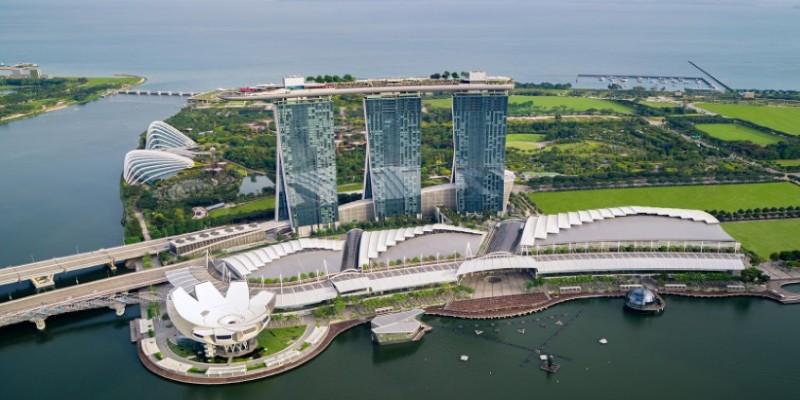
Haze can affect visibility during certain months, so checking air quality readings before booking prevents disappointment. Allocating about an hour works well; lingering too long adds little once the panorama is absorbed.
Hawker Centres Beyond the Headlines
Sampling hawker food counts among the best things to do in Singapore, yet choice and timing influence the experience. Lau Pa Sat fills quickly during dinner, leading to long searches for seats. Maxwell Food Centre feels calmer before the noon rush. Tiong Bahru Market suits late breakfast or mid-afternoon visits.
Some stalls accept cards, others remain cash-based. Carrying small notes speeds up transactions during busy periods. Shared tables are standard practice. This setup keeps turnover efficient but may feel unfamiliar at first. Visiting outside peak hours reduces stress and allows more thoughtful ordering.
Sentosa for a Controlled Beach Break
Sentosa provides a convenient seaside pause without leaving the city. Expectations matter here. The beaches feel managed rather than wild, which suits short stays. Siloso Beach attracts larger groups, especially on weekends. Palawan Beach remains quieter during weekday mornings.
The cable car costs more than the monorail but delivers wide harbor views that justify the price for tight schedules. Afternoon thunderstorms are common. Planning beach time earlier in the day lowers the risk of weather disruption. During regional holidays, attraction passes sell out quickly, so advance purchase prevents wasted trips.
Singapore Zoo and Night Safari Timing Strategy
The zoo stands out for spacious enclosures and shaded paths. Still, animal activity shifts with temperature. Arriving at opening time increases the chance of seeing animals active before the heat builds. The Night Safari offers a distinct atmosphere but requires patience. Tram queues lengthen during peak travel weeks.
Timed entry reservations reduce waiting. Walking trails demand comfortable footwear, as distances add up quickly. Humidity rises after sunset, and insects become noticeable. Carrying water and light repellent keeps the visit comfortable. These small adjustments make a noticeable difference over several hours.
Chinatown and Kampong Glam for Cultural Context
Historic districts add depth beyond the skyline. Chinatown blends temples, markets, and restored shophouses. Early mornings allow slower movement before group tours arrive. Sri Mariamman Temple may limit photography at certain times. Modest clothing prevents entry issues.
Kampong Glam centers around the Sultan Mosque, surrounded by textile shops and small eateries. Friday afternoons see heavier foot traffic linked to prayer times. These neighborhoods address a common gap in first trips: understanding cultural layers that shaped modern Singapore.
Orchard Road and the Reality of Retail
Orchard Road often becomes a mid-afternoon escape when the humidity peaks. Malls stretch block after block, offering everything from flagship designer stores to familiar high-street brands. During big sale periods, queues for fitting rooms can test patience, and checkout lines move slowly. Tax refunds at Changi are straightforward, provided receipts meet spending rules and stay organized. It helps to set a clear budget and time frame before stepping inside.
East Coast Park for Local Rhythm
East Coast Park reveals a side of Singapore that feels lived-in rather than curated. Rent a bicycle and follow the coastline past barbecue pits, fishing spots, and families setting up picnic mats. The pace shifts here. Saturdays grow crowded, while weekday mornings feel open and unhurried. Planes descend overhead at regular intervals, a reminder of Changi nearby. It is simple, relaxed, and refreshingly local.
Changi Airport as Part of the Itinerary
Changi Airport often feels like an attraction in itself. Jewel’s Rain Vortex and indoor forest justify arriving early on departure day. Immigration wait times fluctuate by the hour. Late-night departures typically move faster. Holiday peaks extend security lines, so arriving three hours early remains sensible. Tax refunds and last-minute shopping take longer than expected. Building buffer time prevents stress at the end of the trip.
River Walk from Clarke Quay to Boat Quay
A walk along the Singapore River ties several districts together. Restored warehouses now house dining venues and offices, reflecting trade history. Evening temperatures feel slightly more comfortable after sunset. Friday nights grow busy, while weekday evenings remain manageable. Waterside seating fills quickly, so earlier arrival improves choice.
Conclusion
The best things to do in Singapore depend less on distance and more on timing. Climate, school holidays, and ticket systems shape daily plans. Early starts reduce heat exposure and crowd pressure. Advance bookings prevent sold-out frustration. Historic districts add context beyond polished landmarks. Leaving space between major stops keeps energy steady. A first visit feels smooth when expectations match local patterns, allowing the city’s details to stand out naturally without rushing from one highlight to another.