International travel patterns for 2026 are already visible through early airfare searches, group holds, and hotel release calendars. Many popular routes are opening inventory earlier than usual, and flexible fares are disappearing months in advance. Planning ahead now is less about chasing discounts and more about securing realistic schedules, central lodging, and manageable transit times. The destinations below reflect clear 2026 travel trend data, shaped by capacity limits, seasonal surges, and on-the-ground logistics that influence real trips long before travelers even depart.
Top Trending Travel Destinations for 2026 Worth Planning Early
Kyoto, Japan
Kyoto remains high on long-range booking reports for 2026. Spring demand continues to dominate, yet autumn reservations now rival the cherry blossom season. October room blocks near Gion often close by early summer of the previous year, leaving late planners with limited suburban options. When to visit depends largely on tolerance for crowds. Early April brings peak rates and restricted minimum stays. Travelers frequently underestimate taxi shortages during festival periods.
Public buses become packed by mid-morning, particularly along routes serving Kiyomizu-dera and Arashiyama. Advance rail seat reservations between Kyoto and Tokyo reduce stress during national holidays. Luggage forwarding services help avoid navigating narrow station corridors with suitcases. Early morning temple visits provide quieter access, since tour groups typically arrive after 9 a.m.
Puglia, Italy
Interest in Puglia continues rising as travelers look for coastal Italy beyond the usual northern travel routes. Extended-stay villa inquiries for summer 2026 are already appearing in booking systems. Many properties now require week-long commitments during peak months. Late May through June and September generally offer the most comfortable conditions, when temperatures remain manageable, and beach towns operate at full capacity without peak congestion.

July and August bring intense heat and heavy domestic travel, which strains smaller airports and car rental fleets. Driving logistics presents challenges. Historic centers restrict vehicle entry, and parking outside town walls adds walking distance with luggage. Reserving compact vehicles simplifies navigation on narrow roads. Dining reservations are essential in seaside towns, especially during weekend evenings.
Queenstown, New Zealand
Queenstown stands out in 2026 trending destination reports, particularly for winter sports and scenic adventure trips. Expanded air connections into Auckland and Christchurch have shortened transit times, encouraging earlier ski season bookings. Snow activities peak between June and August. Lift passes and rental equipment often increase in price closer to departure dates. Securing these early stabilizes budgets.
Weather conditions change quickly. High winds can delay scenic flights or close mountain access roads. Building spare days into itineraries reduces disappointment if excursions shift. Accommodation near the lake commands premium pricing; budget travelers often base slightly outside town and rely on scheduled shuttles.
Marrakech, Morocco
Marrakech has regained steady booking momentum for cultural trips and boutique riad stays. Small courtyard properties hold limited rooms, and high-demand dates fill rapidly during spring and autumn. Travel conditions are most comfortable from March to May and again in October. Summer heat restricts midday sightseeing, while winter evenings require warmer layers.
Early reservations allow selection of rooms with proper ventilation or heating, which significantly affects comfort. Arrival logistics matter. Medina alleys remain difficult to navigate without guidance. Arranging airport pickup through accommodations simplifies the first evening. Cash remains common in local markets, so small withdrawals prevent rushed currency exchanges in crowded areas.
Patagonia, Chile
Patagonia reflects strong growth in nature-focused itineraries. Trekking permits for Torres del Paine circuits are already opening for 2026, and prime dates often sell out within weeks of release. The best time to visit spans November through March. Outside that window, trails close due to snow and wind exposure. Guided treks secure both permits and equipment, reducing the risk of last-minute shortages.
Southern Chile flights experience weather delays, which can disrupt tight connections. Flexible ticket conditions help protect onward travel. Lodges inside park boundaries operate on strict capacity limits; setting calendar reminders for booking release dates increases success in securing preferred campsites.
Seoul, South Korea
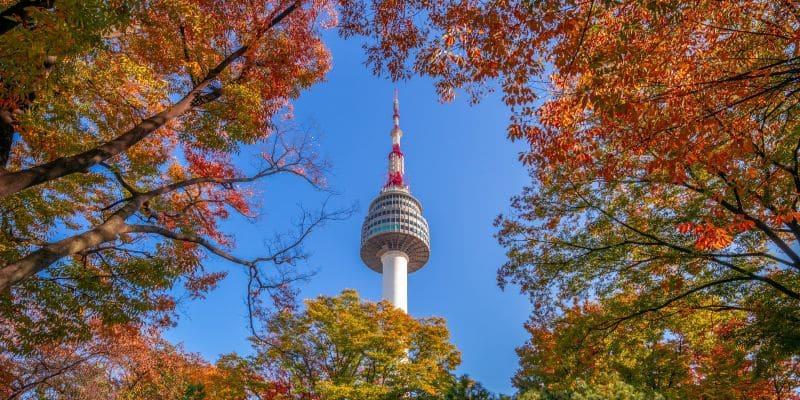
Seoul continues gaining momentum for 2026 travel plans, driven by seasonal festivals and expanded flight connections across Asia. Demand rises sharply during cherry blossom weeks and again in autumn, when tree-lined streets turn bright with color. April and October typically provide the most pleasant weather for exploring the city, when temperatures stay comfortable for long days outside.
Central areas such as Myeongdong and Hongdae fill quickly, especially during cultural events and holiday weekends. Booking hotels with flexible cancellation terms helps manage shifting festival dates. Public transport works smoothly across the city, though translation apps help with menus and signage in quieter neighborhoods. Many popular attractions now require timed reservations.
Banff, Canada
Banff continues attracting road trip travelers, especially during the summer lake season. Access to Lake Louise and Moraine Lake now relies heavily on shuttle reservations. Turquoise lake views usually appear from July through early September. Parking areas often fill by mid-morning, making early shuttle bookings essential.

Wildfire smoke occasionally affects air quality in late summer. Monitoring park advisories allows flexible activity planning. Accommodation inventory in town fills months ahead, particularly family-sized units. Early arrival flights into Calgary reduce traffic delays on the drive west.
Zanzibar, Tanzania
Zanzibar shows steady growth in trending destinations 2026 searches, often added after mainland safari trips in Tanzania. Many itineraries connect through Arusha, so flight timing matters. Delays on regional routes can disrupt same-day island transfers, which is why many travelers schedule an overnight stop before continuing.
June through October offers the most reliable beach weather, when dry weather supports beach stays and boat trips. April and May bring heavy rain that can interrupt ferries and limit coastal movement. Resort availability shifts around safari arrival patterns, so early reservations help secure better room locations and smoother transfers.
Conclusion
Travel trends 2026 highlight capacity pressures rather than sudden fads. Popular destinations now require earlier decisions to secure central lodging, transport reservations, and manageable daily schedules. Monitoring fare patterns, setting reminders for permit releases, and allowing buffer days between connections protect the overall experience. Early planning reduces stress at arrival and keeps expectations realistic. These locations reward preparation with smoother logistics and better access to the moments that make each journey worthwhile.