Kyoto attracts steady visitor traffic throughout the year, with sharp spikes during cherry blossom season and autumn foliage weeks. Popular districts absorb most of that movement, which leads to packed buses, long ticket lines, and rising hotel rates booked months in advance. Hidden Kyoto is less about secrecy and more about adjusting geography and timing. A short train ride or a twenty minute walk can change the atmosphere completely. Stepping outside headline landmarks reveals quieter streets, working neighborhoods, and spaces that feel grounded in daily routine rather than performance.
Best Hidden Things to Do in Kyoto Beyond the Tourist Trail
Otagi Nenbutsu-ji and the Quiet Edge of Arashiyama
Arashiyama fills early in the day. Coaches arrive near the bridge before midmorning, and the bamboo grove quickly becomes congested. Many visitors stop around Tenryu-ji and turn back. Continuing uphill toward Otagi Nenbutsu-ji shifts the tone. This hillside temple holds more than a thousand carved stone figures, each with a distinct expression. The individuality breaks the pattern seen in larger temple complexes.
For travelers feeling visual fatigue after several grand halls, this smaller site offers contrast and character. Access requires effort. The uphill road takes around twenty minutes on foot, and buses run less frequently outside peak foliage season. Rain makes certain steps slick, so sturdy shoes help. Arriving mid-afternoon often means near silence, even during busy months.
Shugakuin and the Suburban Temple Circuit
North of the city center, Shugakuin feels residential and unhurried. Reaching it involves a train transfer or a longer bus ride, which discourages large groups. That distance works in favor of travelers seeking space. Manshu-in Temple features a restrained garden and painted sliding doors viewed from tatami rooms. Entry lines are rare.
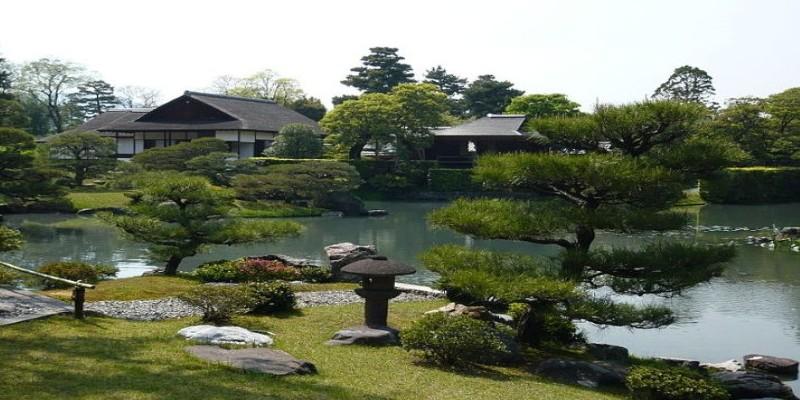
During autumn, when central temples limit crowd flow, this area remains manageable. The Shugakuin Imperial Villa nearby requires advance reservation through the Imperial Household Agency. Same-day spots are limited and often fill during blossom season. The guided format operates on strict timing; late arrival results in denial of entry. Planning transport carefully avoids disappointment.
Demachiyanagi and the Kamo River Delta
Demachiyanagi is usually treated as a simple transfer point for trains bound for Kurama, yet stepping outside the station changes that impression quickly. At the Kamo River delta, flat stones form a playful crossing over the shallow current, and the pace slows without effort. Students sit with takeaway lunches, children hop from stone to stone, and conversations drift across the water in the late afternoon light.
Much of central Kyoto keeps visitors moving from one ticketed site to the next. Here, there is room to sit without spending anything. Spring adds pale blossoms along the banks, while summer calls for extra water and a hat under open skies.
Fushimi’s Sake District and Canal Walks
South of central Kyoto, Fushimi extends beyond the torii gates of Fushimi Inari. A short train ride leads to wooden warehouses and narrow canals tied to brewing history. Small breweries operate tasting rooms and modest museums. Entry fees remain reasonable compared to major temple complexes.
Weekends in peak travel months can bring capacity limits, so earlier visits reduce waiting time. This district helps balance itineraries heavy on shrines. Walking along canals introduces industrial heritage and working facilities. Some shops close midweek, and winter hours may shorten. Checking schedules ahead of time prevents unnecessary detours.
Yoshida Hill and Local Shrine Paths
Near Kyoto University, Yoshida Hill rises gently above the surrounding streets. A network of small shrines spreads across the slope, with minimal signage directing foreign visitors. The climb is brief yet uneven in sections. After rainfall, certain stones become slippery. Early morning visits offer clear air and distant temple bells.
The hill provides elevation without a long excursion outside the city. Bus congestion often frustrates travelers in peak season, especially along Higashiyama routes. Yoshida Hill is accessible on foot from central neighborhoods or via less crowded lines. There are no cafes at the summit, so bringing a drink makes sense.
Nishijin Textile District Workshops
Nishijin carries Kyoto’s textile legacy. Unlike the camera-heavy streets, this district feels practical and residential. Traditional looms continue producing kimono fabric inside small workshops. Some studios allow short weaving sessions or demonstrations. Advance booking is wise, since group sizes remain small and language assistance varies.
Clear directions help, as signage can be subtle. This type of visit addresses a gap in many itineraries. Rather than viewing finished garments behind glass, travelers see the production process. Fees reflect labor and materials, and late cancellations may not receive refunds. Confirming schedules during festival periods prevents confusion.
Kurama and Kibune Outside Peak Hours
Kurama and Kibune appear in guidebooks, yet timing changes the atmosphere entirely. Midday trains fill quickly, especially during autumn weekends. Early arrival or an overnight stay in a local inn alters the experience. The forest trail between Kurama-dera and Kibune Shrine takes about two hours at a steady pace.
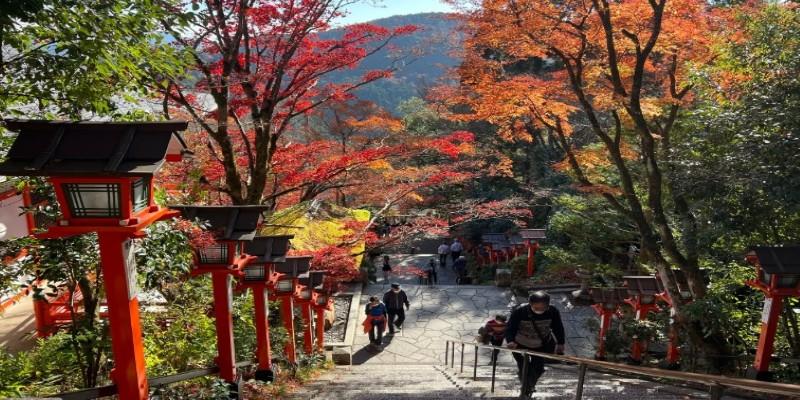
Sections include steep steps and can turn muddy after rain. Proper footwear reduces risk. In summer, insects gather in shaded areas. Riverside dining platforms in Kibune operate seasonally and require reservations during high demand. Late afternoon visits after most day-trippers return to Kyoto create quieter shrine grounds and softer light.
Tofuku-ji’s Lesser-Known Subtemples
Tofuku-ji attracts large numbers with its famous autumn bridge view. Many visitors leave after photographing that spot. Within the same complex, smaller subtemples such as Komyo-in remain comparatively calm. These spaces provide relief during peak foliage season.
Entry fees are separate and modest. Visitor numbers stay limited, even in November. Opening hours shift outside major seasons, so verifying times prevents closed-gate surprises. Photography policies differ between halls. Sitting on a wooden veranda facing raked gravel and moss invites slower observation without guided commentary or crowd pressure.
Conclusion
Kyoto beyond tourist trail routes requires awareness of timing, transport, and seasonal patterns. Hidden Kyoto locations often involve extra walking, reservations, or careful schedule checks. These trade-offs reduce exposure to bus congestion and long entry lines that shape peak months. Offbeat Kyoto attractions present working neighborhoods, smaller temples, and forest paths that feel less staged. Thoughtful planning transforms the visit from checklist sightseeing into something steadier and more personal.