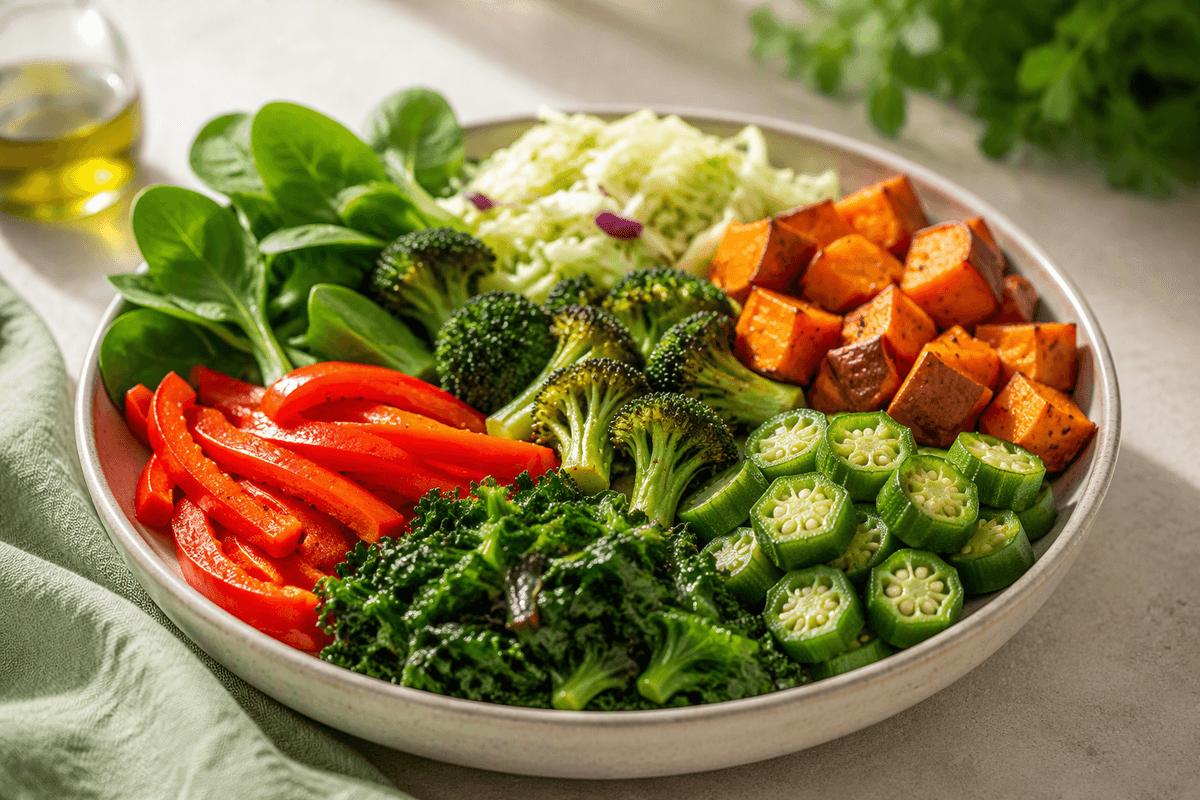
Daily meals often fall short of produce intake recommended in clinical nutrition guidelines. Diet records collected during outpatient visits reveal similar patterns: heavy grains, processed proteins, and minimal plant variety. Dietitians address this gap during chronic disease management, especially diabetes, hypertension, and gastrointestinal disorders. Small adjustments during meal preparation increase fruit and vegetable intake without disruptive diet changes. Practical placement of produce across breakfast, lunch, dinner, and snacks improves nutrient distribution and supports digestion and energy.
Breakfast Plates and Morning Routines
Breakfast has a quiet influence on the rest of the day. In many clinical nutrition reviews, the same pattern keeps appearing, toast, cereal, or pastries at the center of the meal, with little produce on the plate. That kind of breakfast fills the stomach quickly, yet often leaves fiber, potassium, and other nutrients far below target. Endocrinology clinics see this often in meal logs from patients managing insulin resistance or prediabetes.

A more workable approach is not a full overhaul, but a few direct changes inside foods already eaten in the morning. Eggs can hold far more than cheese or meat alone. Spinach, mushrooms, tomatoes, or diced peppers fit easily into scrambles and breakfast wraps. Oatmeal changes just as easily. Chopped apple, pear, or berries add texture and soluble fiber, which helps slow the rise in blood glucose after eating.
Placement matters as much as planning. In rehabilitation units, sliced fruit tends to be eaten more often when it sits in plain view on the tray instead of staying packed in a sealed cup. The same pattern holds at home. Produce that is washed, cut, and easy to reach has a better chance of ending up on the plate. Juice deserves a careful limit. Whole fruit does more of the nutritional work, mainly through fiber and slower digestion.
Produce in Midday Meals
Lunch patterns frequently reflect workplace constraints. Short breaks lead many individuals toward packaged meals or cafeteria items dominated by starch and protein. Nutrition consultations in occupational health clinics often reveal minimal vegetable intake during this meal.
One practical method involves restructuring meal components rather than adding separate dishes. Mixed vegetables placed directly inside sandwiches or wraps increase intake without expanding preparation time. Lettuce alone offers little nutritional density; shredded carrots, cucumbers, or roasted zucchini introduce broader micronutrient content.
Hospital cafeterias often use similar methods during employee wellness initiatives. Grain bowls containing brown rice, beans, roasted vegetables, and leafy greens simplify balanced meal assembly. Staff members with limited time select preassembled combinations rather than assembling multiple items individually.
Clinical nutrition teams also encourage vegetable based soups during midday meals. Broth based vegetable soups contribute hydration and fiber while maintaining moderate calorie levels. Gastroenterology clinics sometimes suggest such soups during recovery from digestive illness. Soft cooked vegetables reduce mechanical strain on inflamed digestive tissue.
Storage safety requires attention. Leafy greens and cut produce spoil quickly without refrigeration. Workplace meal preparation programs often recommend insulated containers with ice packs. This precaution limits bacterial growth and preserves texture. Vegetable diversity matters as well. Rotating colors across meals helps cover nutrient gaps that single vegetables cannot address alone.
Dinner Preparation Inside Clinical Nutrition Plans
Dinner often offers the easiest opening for adding more vegetables, mainly because there is usually more time for planning, cooking, and serving a fuller plate. In nutrition clinics, this meal gets close attention during counseling for high blood pressure, heart disease, and kidney concerns, since evening habits tend to repeat and shape long term intake.
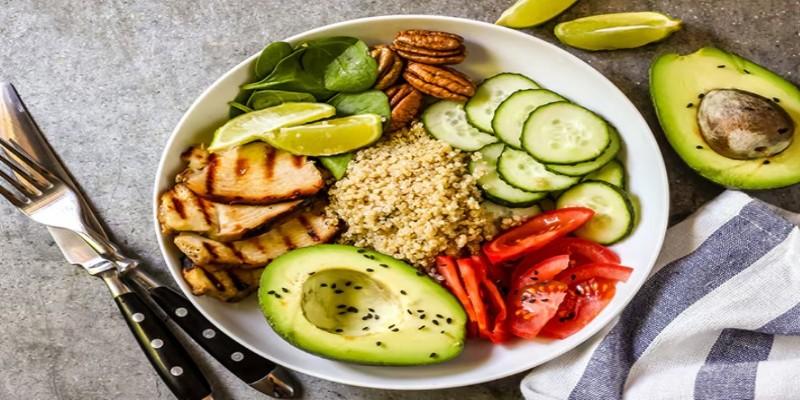
A simple visual method works well in practice. Half the plate goes to vegetables, while the rest is split between protein and grains or starches. That structure helps increase fiber, magnesium, and other nutrients without turning dinner into a math exercise. It also makes meal building less rigid.
Cooking methods matter. Roasting rewards the cook with deeper flavors and softer textures for minimal effort. Toss chicken, cauliflower, carrots, and onions onto a single tray, and they emerge together—cutting cleanup while elevating vegetables from afterthought to essential. In teaching kitchens tied to hospitals, this format is often used since it is easy to repeat at home.
Taste plays a large role in keeping the habit going. Herbs, garlic, lemon, and gentle spices bring more interest than plain steaming. Certain conditions still require caution. Kidney care plans may call for limits on higher potassium vegetables, along with special preparation methods suggested by a dietitian.
Structured Snacks and Hospital Inspired Habits
Snacks often receive little attention during nutrition planning, yet they present frequent opportunities for fruit and vegetable intake. Diet recall forms used in metabolic clinics regularly show packaged snack foods replacing fresh produce.
Hospitals frequently structure snack options to maintain nutritional balance between meals. Small fruit servings paired with protein sources help stabilize blood glucose levels during long recovery periods. Apple slices with nut butter or cottage cheese with berries appear frequently in inpatient nutrition menus.
Home routines can adopt similar patterns. Refrigerators stocked with washed grapes, sliced melon, or carrot sticks reduce preparation barriers, since visibility directly influences food choice. Produce placed at eye level is consistently selected over items tucked away in drawers.
Portable containers support consistency during workdays or school schedules. Nutrition programs in cardiac rehabilitation settings often recommend packing fruit portions the night before. This small step prevents reliance on vending machines during afternoon energy dips.
Texture variety improves acceptance. Crisp vegetables such as bell peppers contrast well with creamy dips made from yogurt or blended beans. These combinations provide fiber along with moderate protein, slowing hunger between meals.
Snack planning must remain realistic. Overly strict rules often fail after several weeks. Gradual replacement of processed snacks with produce based options proves easier to maintain. Small portions spaced through the day contribute meaningful totals by evening.
Conclusion
Fruit and vegetable intake improves through steady placement across ordinary meals rather than dramatic diet changes. Breakfast additions, vegetable focused lunches, balanced dinner plates, and structured snacks create repeated opportunities for produce consumption. Clinical nutrition practice supports this approach since gradual adjustments remain easier to maintain during long term disease management. Consistent exposure to varied produce supports nutrient coverage, digestive stability, and sustainable eating patterns across daily routines.