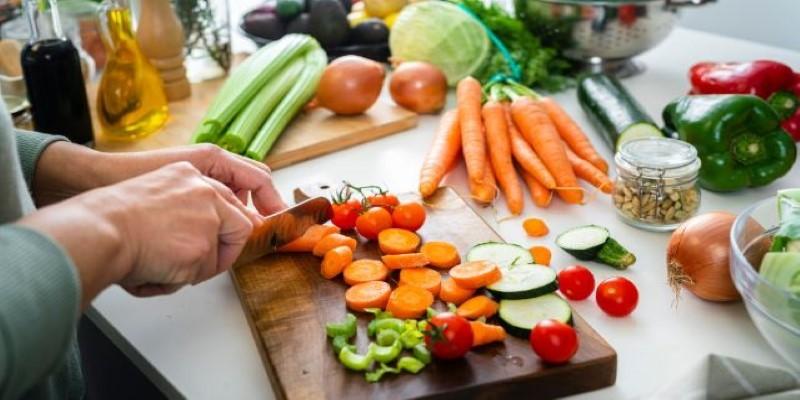
Why insulin feels “stuck” in everyday life
It often shows up in small, easy-to-dismiss moments: you finish a normal lunch, feel okay for an hour, and then your energy drops hard enough that coffee or something sweet sounds “necessary.” Sometimes it’s not even hunger—more like a restless pull to snack, plus that foggy, slightly impatient feeling when your brain wants quick fuel. When blood sugar has been “creeping up,” people may assume it’s just aging or stress, but the pattern can also reflect how often meals digest fast and leave glucose rising and falling quickly.
Over time, repeated plates built around refined carbs (with little fiber to slow them down) can make insulin’s job feel harder: your body still makes it, but your muscle and liver may respond less efficiently, so glucose hangs around longer after meals. The tricky part is the inconsistency—some days feel fine, other days crash—so it’s easy to miss the connection. Vegetables don’t “fix” everything, but they often change the pace of digestion enough to make those swings feel less dramatic.
Leafy greens that steady glucose after meals
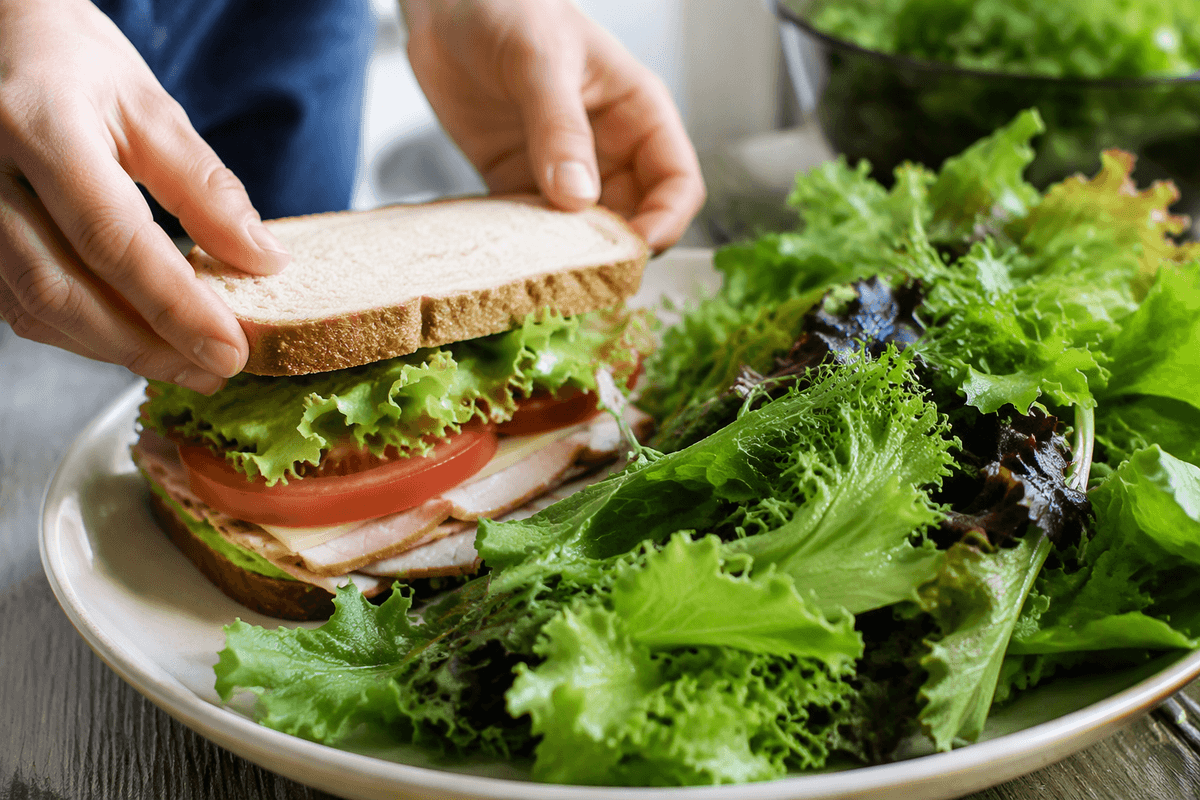
You notice it most when lunch looks “healthy” on paper—maybe a sandwich, maybe rice and chicken—but there’s no real bulk on the plate. An hour later, you’re scanning for something else, not because you’re starving, but because your body feels oddly unfinished. Leafy greens can change that feeling in a quiet way: they add volume and chew-time without adding much sugar, so the meal tends to land more slowly.
Spinach, romaine, arugula, kale, and spring mixes pull their weight mainly through fiber and water. That combination can slow how quickly starches and bread break down and move through the gut, which often means a softer rise in glucose and a less dramatic dip later. It’s not perfectly predictable—dressings, croutons, and “salad-as-a-side” portions can undo the effect—but a larger bed of greens under the same meal is one of the simplest ways people notice fewer mid-afternoon cravings.
Cruciferous vegetables that support metabolic signaling
The first clue is often how full you feel compared with how “light” the meal looks. Add a few florets of broccoli or a heap of shredded cabbage, and the same bowl of rice can sit differently—less urgent snacking later, less of that quick-and-gone energy. Cruciferous vegetables like broccoli, cauliflower, Brussels sprouts, cabbage, and bok choy don’t just add fiber; they also bring plant compounds that, in some situations, line up with better metabolic signaling—how your cells “hear” the message to use glucose rather than leave it circulating.
In real life, the effect can feel subtle and inconsistent. Roasted Brussels sprouts beside a higher-carb dinner may soften the post-meal swing, while a tiny side of slaw won’t move the needle much. And preparation matters: heavily breaded cauliflower bites behave more like the coating than the vegetable. Still, when these vegetables show up as a real portion—not garnish—they tend to make meals feel more stable afterward.
Bell peppers that add volume without sugar spikes
You can usually tell when a “healthy swap” didn’t really change anything: the plate looks colorful, but an hour later you still feel that hollow, snacky tug. Bell peppers tend to work in the opposite direction. They add crunch, water, and a surprising amount of volume, so a bowl or wrap can feel bigger without turning into a sweeter, faster-digesting meal.
Because peppers are relatively low in sugar compared with many other colorful add-ins, they often fit well when you’re trying to steady the post-meal rise—especially if they replace part of the bread, rice, or chips rather than just sitting on the side. Sliced peppers bulk up fajitas, omelets, salads, and stir-fries, and they slow the pace of eating simply because you have to chew more. They can disappear when they’re cooked down too far, and then people assume they “don’t count” because they don’t feel them anymore.
Okra’s gel-like fiber and slower absorption
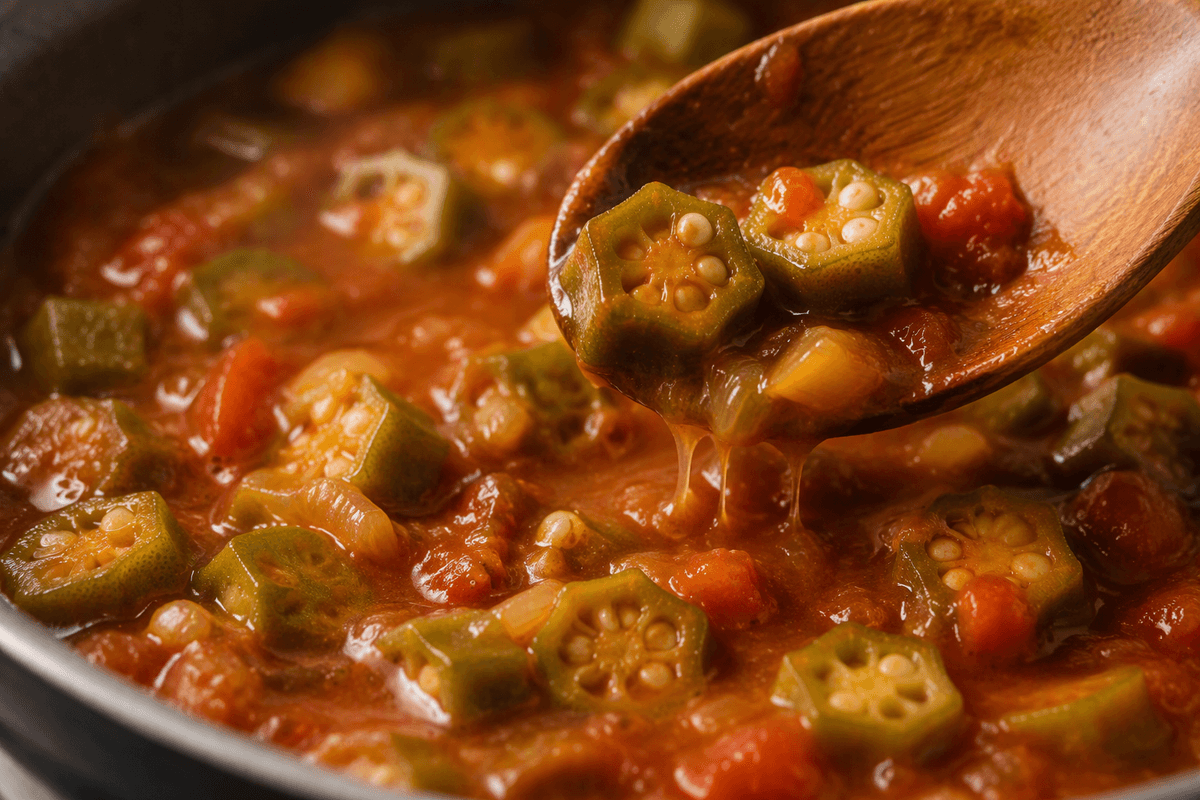
The first time okra “works,” it’s often because you notice the texture before you notice anything about blood sugar. That slight slipperiness can be off-putting, but it’s also a clue: okra releases a gel-like fiber when it’s cooked (and sometimes even when it’s just cut), and that gel can make a meal move a little more slowly through your gut. In day-to-day terms, it may feel like the same serving of rice, cornbread, or noodles sits more evenly—less of that quick surge, then a sharp fade.
People tend to get disappointed when they treat okra like a tiny side dish. It shows up best when it’s part of the “base” of the plate—stewed into soups, mixed into tomato dishes, or added to a sauté so it’s not just decoration. Even then, it isn’t perfectly predictable: breaded fried okra can behave more like the coating, and some stomachs just don’t love the extra viscosity.
Sweet potatoes when carbs come packaged with fiber
The tell is usually in the timing: you eat something starchy at dinner, feel briefly satisfied, and then find yourself roaming the kitchen later as if the meal “didn’t stick.” Sweet potatoes can change that experience for some people because the carbs show up bundled with fiber and water, not stripped down and fast. The texture matters, too—dense and creamy tends to slow you down, which often slows the meal’s pace overall.
They’re still a carbohydrate, so portion and pairing can make the difference between “steady” and “sleepy.” A baked or roasted sweet potato alongside protein and a non-starchy vegetable often lands differently than sweet potato fries or a sugared casserole, which can digest much more like a treat. And the same potato can hit harder when you’re stressed, under-slept, or eating it as the main bulk of the plate. Still, as a grocery-store swap, it’s one of the easier ways to make a carb feel more anchored.
When “more vegetables” causes unexpected discomfort
It can be a little confusing when you finally “do the right thing,” pile half the plate with vegetables, and then spend the afternoon feeling bloated, gassy, or strangely heavy. Some people even read that discomfort as a sign the meal didn’t agree with them, so they quietly drift back to easier, lower-fiber choices. But a sudden jump in vegetables often changes more than blood sugar—it changes the physical workload of digestion, and your gut may not match your intentions overnight.
Raw salads, big bowls of cruciferous vegetables, and fiber-rich add-ins like okra can ferment differently from refined carbs, especially if you went from very little fiber to a lot in a week. Cooking usually softens the “sharp edges” (less crunch, less trapped air, less chewing), while eating fast can make the same vegetables feel twice as intense. The discomfort can overlap with “healthy” fullness, so it’s easy to mislabel it as a problem—when it may just be your body adjusting, or a portion that was bigger than it felt.