You’ve got a pension pot — is a DRO still an option?
You can be deep in debt, living on a tight budget, and still have a pension pot sitting in the background. That often feels like a problem, because a DRO is meant for people with little or no spare money and very limited assets.
In practice, a pension isn’t always treated like cash in the bank. A pot you can’t access yet is usually looked at differently from savings you could withdraw today. But the moment you’re taking income, or you could take a lump sum, it can change what counts in the DRO test.
The hard bit is timing: a move that seems sensible—like drawing 25% or upping contributions—can create questions you then have to explain. The first step is pinning down what type of pension you have, and whether you can touch it yet.
First, what kind of pension are we talking about (workplace, personal, DB) — and can you touch it yet?

Whether you can “touch” the pension is the dividing line, so start by naming what you’ve actually got. A workplace or personal pension pot is usually a defined contribution (DC) scheme: a balance that can often be accessed from age 55 (rising to 57 from April 2028). If you’re under that age and you’re not in ill health, it’s generally not something you can draw on just because you want to.
A defined benefit (DB) pension works differently. There may be a transfer value on paper, but day to day it’s a promise of an income from a scheme retirement age, sometimes with reductions if you take it early. Some public sector schemes don’t allow transfers at all, and even where transfers exist, they can take time, forms, and regulated advice.
So write down: the pension type, your age, the scheme’s “normal pension age,” and whether you have any option to take money now. That single check tends to shape everything that follows.
If it’s just a pension pot you’re not drawing, will the Official Receiver ‘take’ it?
Once you’ve confirmed you can’t touch the pension now, the usual worry is simple: if you apply for a DRO, will the Official Receiver treat that pot like an asset they can grab. For most people with an untouched workplace or personal pension, it doesn’t work like that. A pension pot that’s locked away for retirement is normally treated differently from savings you could withdraw this week.
That said, “can’t access” needs to be real, not just inconvenient. If you are over the minimum pension access age and the pot could be taken as a lump sum or moved into drawdown, an adviser may treat it as something you can get at, even if you’d rather not. And even when it’s genuinely out of reach, you can still hit practical snags: providers can take weeks to confirm rules in writing, and getting clear paperwork (scheme type, access age, current value) can slow the application down.
Keep the focus on two facts: you’re not drawing from it, and you can’t draw from it right now. The next step is what happens if you are already taking pension income.
You’re already taking pension income — will that push you over the DRO budget?
When pension payments already land in your bank each month, they behave like wages or benefits in a DRO application. They go into your income, and the question becomes simple but unforgiving: after your normal household spending, do you have more than the allowed “spare” amount left over each month?
That means the risk isn’t that the Official Receiver takes the pension itself, but that the income tips your budget over the limit. If your State Pension plus a small workplace pension covers rent, bills, food, travel, and you still have a chunk left, a DRO may not fit. But if the pension income mainly replaces earnings you’ve lost, and your essentials still swallow it up, it may be fine. This is where the detail matters: irregular pension income (quarterly payments, one-off back payments) can make a month look “too good” on paper unless it’s explained and shown across a realistic period.
Also watch the knock-on costs. Some people start drawing a pension and then lose help with rent, Council Tax, or other means-tested support, which can shrink your budget fast. If you’re close to the line, the next decision is whether taking extra—like a 25% lump sum or drawdown—before you apply creates a problem you didn’t need.
Thinking of taking the 25% lump sum (or flexi-access drawdown) before applying?
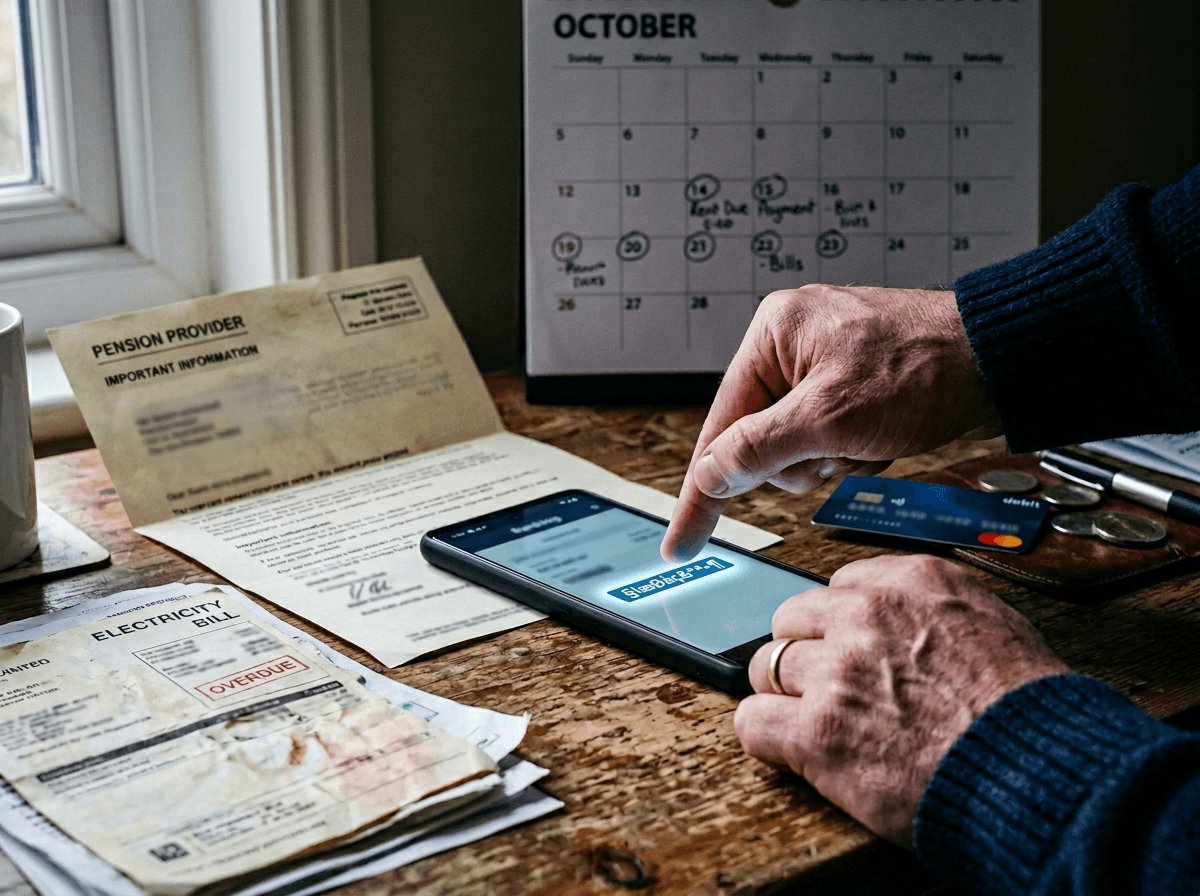
That “take extra before you apply” moment is where people accidentally turn a workable DRO into a no-go. If you take the 25% tax-free lump sum, or move into flexi-access drawdown and start pulling money out, what was a pension pot can quickly become cash in your account. Cash is an asset, and if your total assets go over the DRO limit, you won’t qualify.
Drawdown can also change the income side. Once withdrawals become a regular top-up, they can lift your monthly “spare” money above the surplus-income cap, even if your bills haven’t changed.
There’s also a practical snag: if you take a lump sum to pay “a few things off” or to buy something big just before applying, you may need to explain exactly where it went and why. Providers can take weeks to set drawdown up, and benefit entitlements can shift once your bank balance jumps, so get advice before you press go.
What if you’ve been paying into your pension recently, or your employer pays in?
That “get advice before you press go” point matters just as much with pension contributions as it does with withdrawals. A common pattern is someone under pressure keeps paying into a workplace or personal pension because it’s on autopilot, while priority bills and debts are sliding. An adviser may ask why that money couldn’t have gone to essentials, or whether you’ve increased contributions recently in a way that makes your DRO budget look artificially tight.
Employer contributions are different in feel, but they still affect the picture. If your payslip shows a salary sacrifice or higher employee contribution, your take-home pay drops, which can help your monthly budget meet the surplus-income cap. The practical snag is that changing contributions right before applying can create more questions, delays, and paperwork—especially if the change isn’t clearly linked to normal scheme rules (like auto-enrolment rates) or a documented decision you can explain.
Before you apply, pull your last few payslips and note any recent pension changes: start date, percentage, and whether you opted in, opted out, or upped it. If you’re thinking of stopping contributions to “make the DRO work,” ask what you’d lose (like employer match) and whether it actually changes your eligibility, rather than guessing.
Before you apply: what to disclose and what to ask so you don’t create an avoidable problem
That “rather than guessing” approach pays off most when you get your facts straight and put them in front of the adviser early. Disclose the pension provider and scheme type, your age, the latest value, whether you can access it now, and whether you’ve taken anything (lump sums, drawdown, back payments). If you’re already drawing, show the payment schedule and bank entries so a one-off “good month” doesn’t distort the budget.
Then ask a few blunt questions: “If I take any money before applying, could that push me over the asset limit?” “If I change contributions, will it look like I’m manipulating my budget?” “Do you need a letter from the provider confirming access rules?” Expect delays. Providers and payroll teams don’t move fast, and a missing statement or unclear contribution change can pause the application when you’re trying to get it submitted.