Most people come to Orlando with a fixed picture in mind: giant parks, long lines, engineered fun, heat rising off the pavement. That picture is not wrong. It is just incomplete. The city runs on spectacle, yes, but alongside that are lakes, older streets, garden paths, observation wheels, and pockets of quiet that tourists miss because the branded version of Orlando is louder and easier to sell.
Some landmarks are massive; others barely announce themselves. A good visit is usually built on contrast—big-ticket attractions, then somewhere slower, cheaper, and less staged. Orlando works best when you stop treating it like one machine. It is bigger than that.
Lake Eola Is Where Orlando Stops Pretending To Be Elsewhere
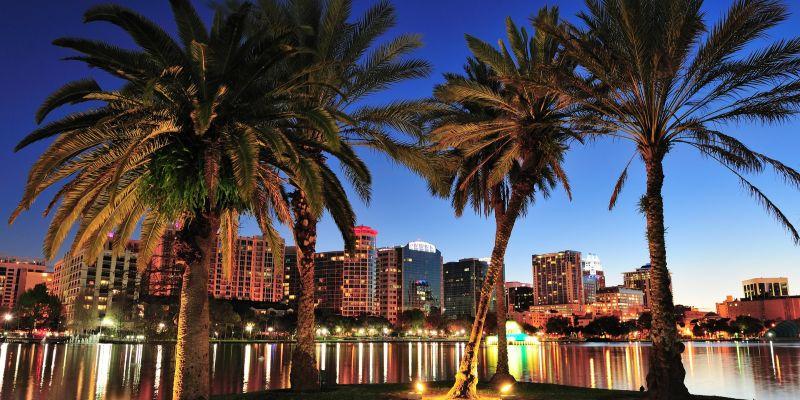
Lake Eola Park does not try too hard, which is part of the point. Right in downtown, it gives Orlando a center that feels used instead of staged. You get the skyline, the fountain, the loop around the water, plus enough open space for the city to show its actual face. It feels lived in.
People come here for ordinary reasons—walking, sitting, taking pictures, wasting an hour before dinner, letting kids run a bit, getting outside without planning a whole day around it. That matters. In a city built on tickets and gates, Lake Eola works because almost nothing needs to be arranged in advance.
The swan boats are obvious, but they earn their place. So do the benches, the shaded stretches, the farmers' markets, and public events when they happen. None of it feels hidden; none of it is overexplained either. It just sits there, useful and visible, next to the towers.
Many Orlando attractions are designed to draw you inward, deeper into an experience someone else controls. Lake Eola does the reverse. It lets the city breathe in plain view—messy, public, a little uneven. That is why it sticks.
The Theme Parks Still Hit Hard—Because They Were Built To
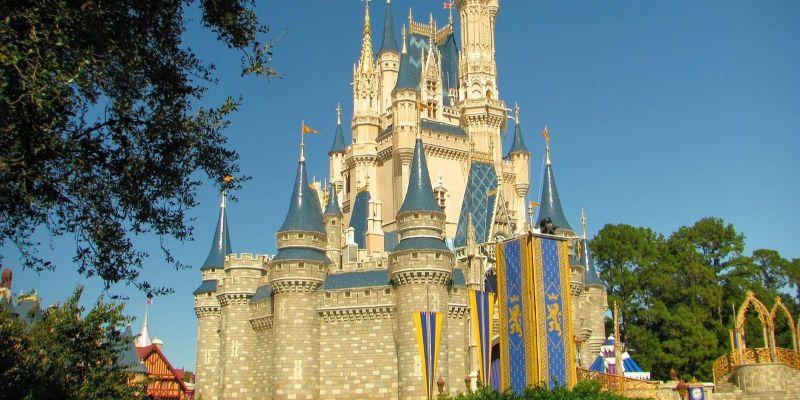
Walt Disney World and Universal Orlando Resort are the giant names for a reason. They were built to dominate attention, plus they do. Scale is the first thing you notice, then the control—traffic flow, sound, architecture, timing, and even the way lines are dressed up, so waiting feels like part of the product. This is the engine.
Disney runs on total immersion. Whole areas are shaped so the outside world drops away for a while, and people buy into that fast. Universal hits differently—louder in places, sharper, more aggressive with thrills. Both are engineered down to the inch. You can feel the planning everywhere.
SeaWorld Orlando belongs in the same conversation, even if it lands a little differently. It mixes major rides with marine-life attractions, which gives it a split identity that some visitors like and others skip. Still, it adds to the larger Orlando pattern: big sites, heavy draw, all-day commitment.
You can visit Orlando and avoid the major parks. Plenty of people do. But the city’s image was built around them, its economy leans on them, traffic bends to them, and whole trips get shaped by them before anyone even lands. That part is not subtle.
ICON Park, International Drive, And The Side Of Orlando That Never Really Sits Down
International Drive is not the polished fantasy version of Orlando. It is the busy, commercial one—chains, signs, traffic, souvenir shops, dinner spots, and attractions stacked close together so nobody has to think too hard about what comes next. That is exactly why it works. It stays on.
ICON Park is the cleanest example. The wheel gives people the view they want, the kind that turns the whole area into something easy to read for a few minutes—hotels, roads, attractions, sprawl, all of it spread out under the glass. It is tourist-oriented and not pretending otherwise.
The larger area matters as much as the individual attractions. People drift here because it is flexible. You can eat, walk, stop for photos, do one attraction, then another, or do none. There is less pressure than at the major parks; less payoff, too, maybe, but also less commitment.
That trade makes sense for many trips. International Drive is built for partial days, loose plans, tired evenings, and groups that cannot agree on one thing. It is not charming. It is functional, bright, restless—and usually full for a reason.
The Best Break In Orlando Usually Looks Green, Quiet, Maybe Underpriced
Harry P. Leu Gardens is what Orlando looks like when the volume drops. Big trees, shaded paths, old camellias, broad lawns, slow corners where nobody is trying to sell you urgency. You walk, stop, and keep going. That is enough. Not everything here needs a soundtrack.
Wekiwa Springs State Park does something similar, but with colder water and less polish. People swim, paddle, drift, and sit in the shade, then leave feeling less wrung out than when they came in. It costs less than most headline attractions. Good.
These places matter because Orlando can wear visitors down fast—heat, queues, traffic, noise, branded excess. A green stop resets the body before it resets the schedule. That is the real value. Not just pretty views, but relief that is actually felt an hour later.
Many travelers skip this side of the city because it doesn't look urgent online. No giant icons, no themed façade, no built-in brag. Yet those quieter hours often hold up better in memory than another overstimulating afternoon spent chasing one more major attraction.
The Places With Actual Texture Usually Sit Just Outside The Main Rush
Winter Park feels separate from tourist Orlando almost at once, which is why it works. Park Avenue has shops, cafes, brick sidewalks, and old trees, plus a slower pace without becoming sleepy. It is polished, yes, but not synthetic in the same way. This part breathes better.
The Scenic Boat Tour helps because it shows a softer edge of Central Florida—canals, lakes, docks, back views of houses, bits of quiet wealth, and birds cutting across the water. Nothing explodes, nothing performs. You sit, look around, and let the place reveal itself slowly.
That kind of attraction does not shout for attention, so it gets undervalued. Orlando visitors are trained to look for scale first; the bigger sign usually wins. But smaller places carry more texture. Older streets, local routines, awkward little details. They stay with you longer.
Winter Park will not replace the city’s blockbuster attractions, nor should it. It gives the trip another register. One with less noise, more shape, more actual place. Orlando needs that balance beside the spectacle, or the whole visit starts to blur into one long commercial corridor.
The Best Orlando Trip Is Usually Mixed
Orlando makes more sense once you stop asking it to be one thing. The giant parks matter. So do Lake Eola, International Drive, Leu Gardens, and Winter Park, the quieter stops that break up the engineered rush. The city works through contrast, not purity. Go wider than the postcard.
A trip built only on headline attractions can get flat, even when the attractions are good. Too much scale does that. But mix the obvious landmarks with public space, green space, older districts, and smaller detours, and Orlando starts to feel less like a product and more like a place.
That is probably why people keep coming back. Not just for the rides or the brand power, but because the city has more range than it first admits. Some of it is loud. Some of it barely speaks. You need both.